K7N — The Edges of Sacrament
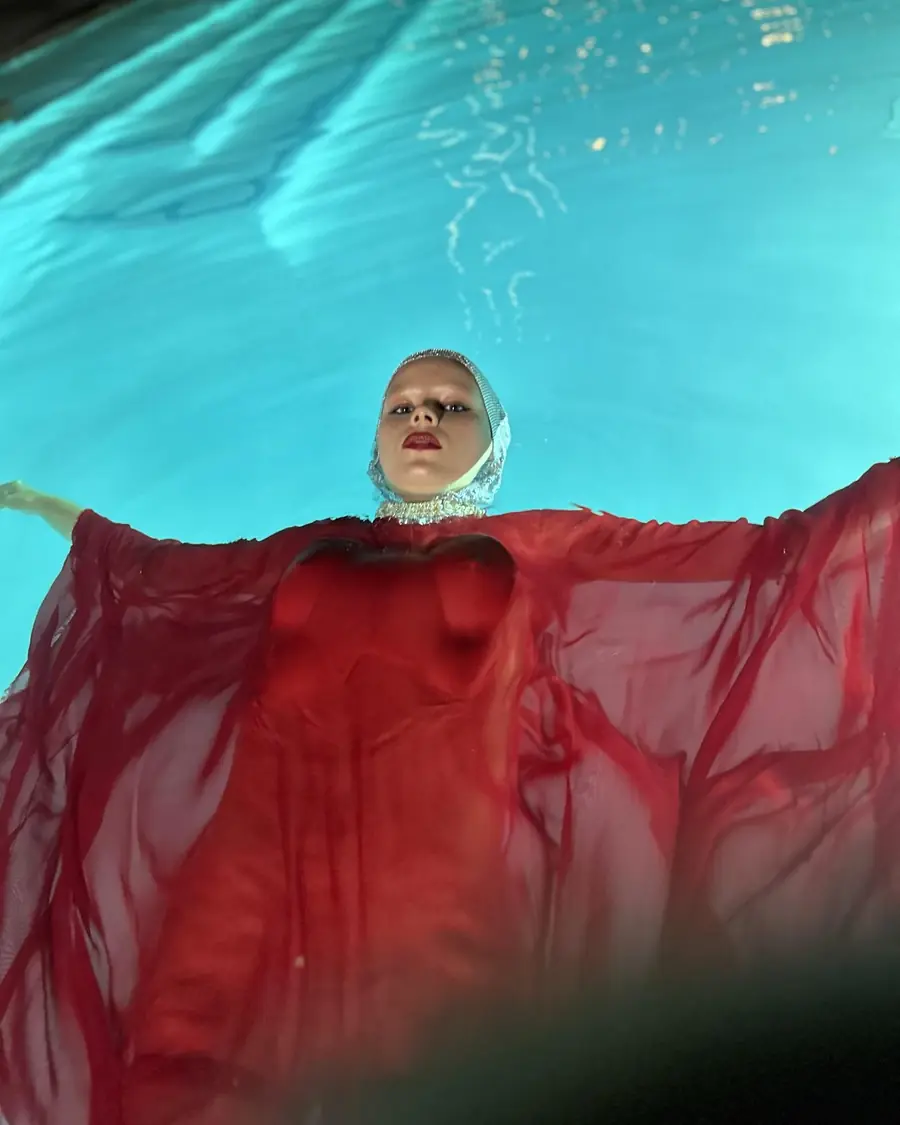
So I want to know about that. I want to know about the edges of sacrament. When you think about wine as a sacramental material — I want to know about the edges of sacrament, and what they make possible. What they incite. There are spaces at the edge of ritual, and the theater, in modern times, is more accustomed to going there. But even in evangelical worship you reach this place of ecstasy. Hands are raised. People are crying. In Pentecostal environments there is the falling out — falling out in the spirit. Some people are, in essence, unconscious, in trance, and they wake feeling refreshed, transformed, revitalized. It’s a very curious practice, and a conspicuous one — it isn’t obscure. It’s all over the world. And when we say Pentecostalism, I think we mean an embodied ritual practice in which, within the Christian context, you see people edging toward the edges of sacrament — the edges of what would be acceptable — and people accept it, because you were taken over by the Spirit. “Slain in the spirit,” some traditions say.
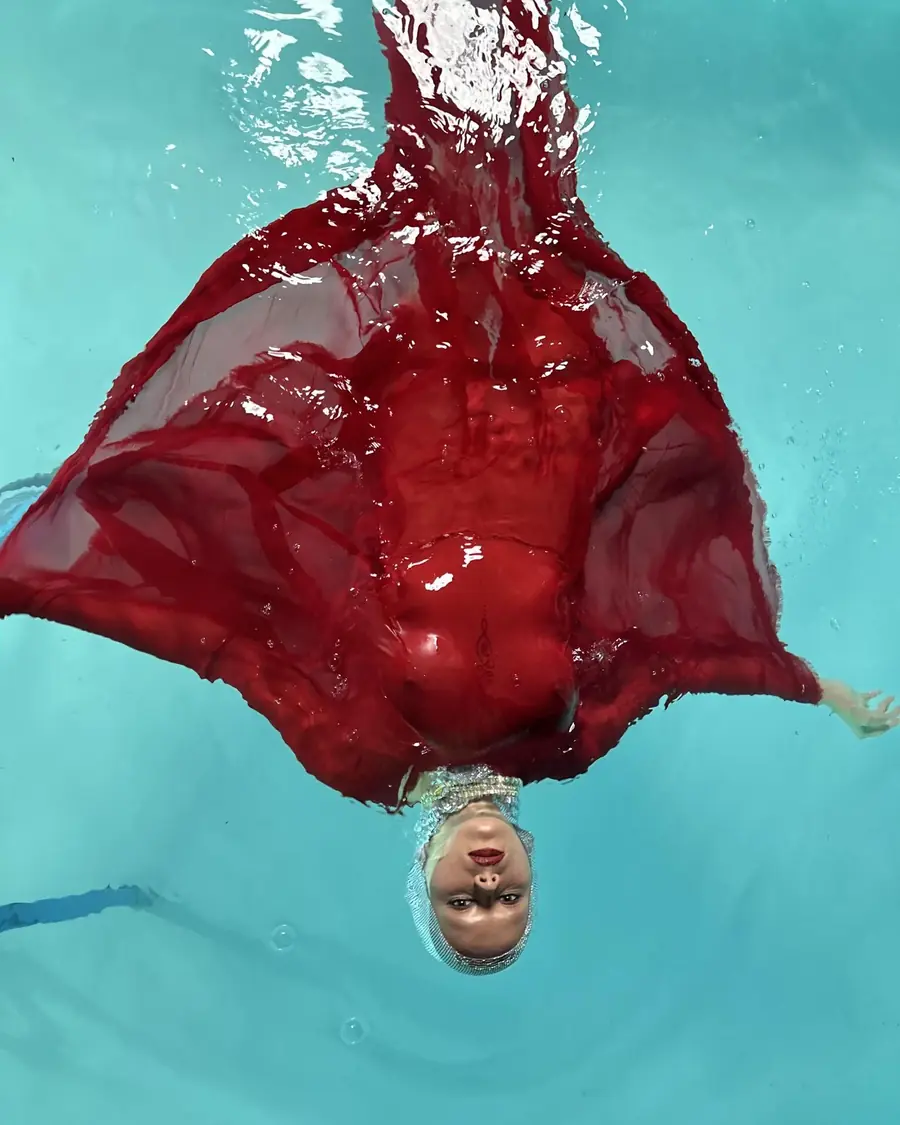
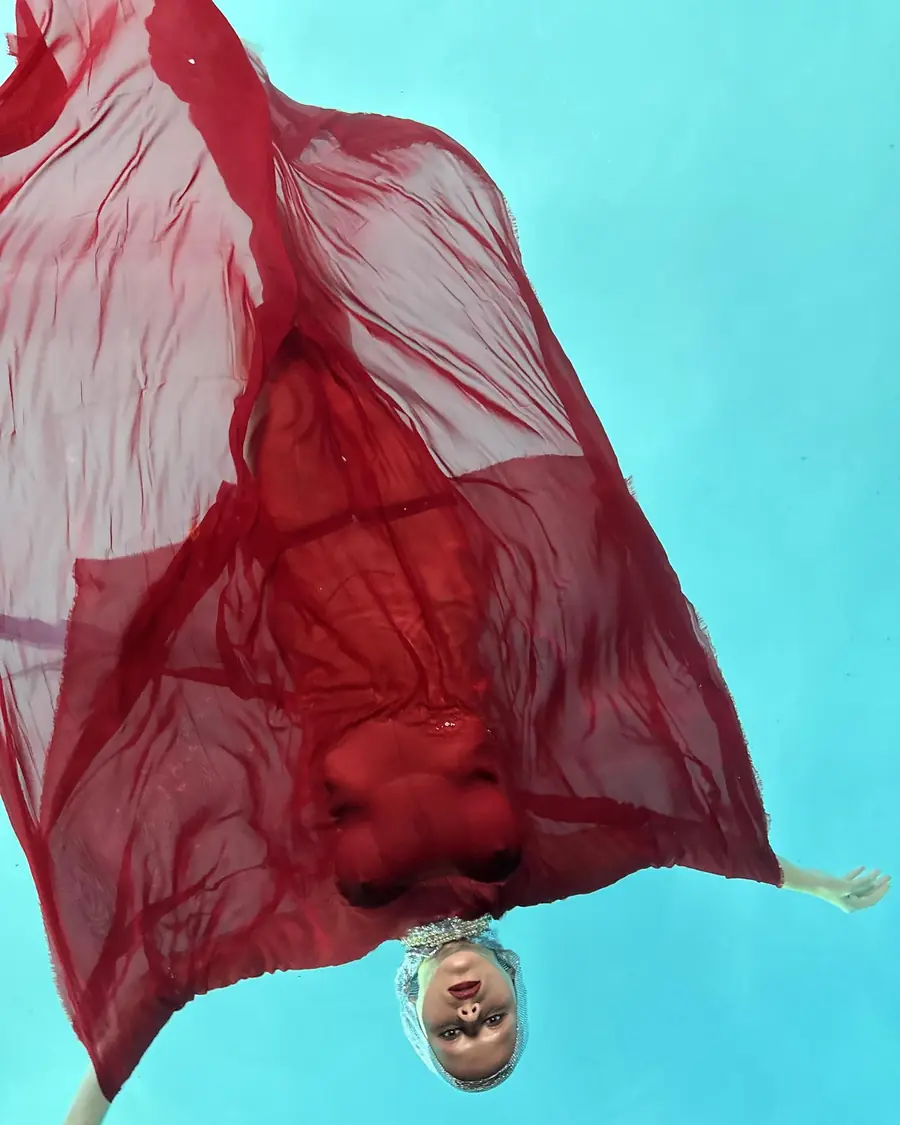
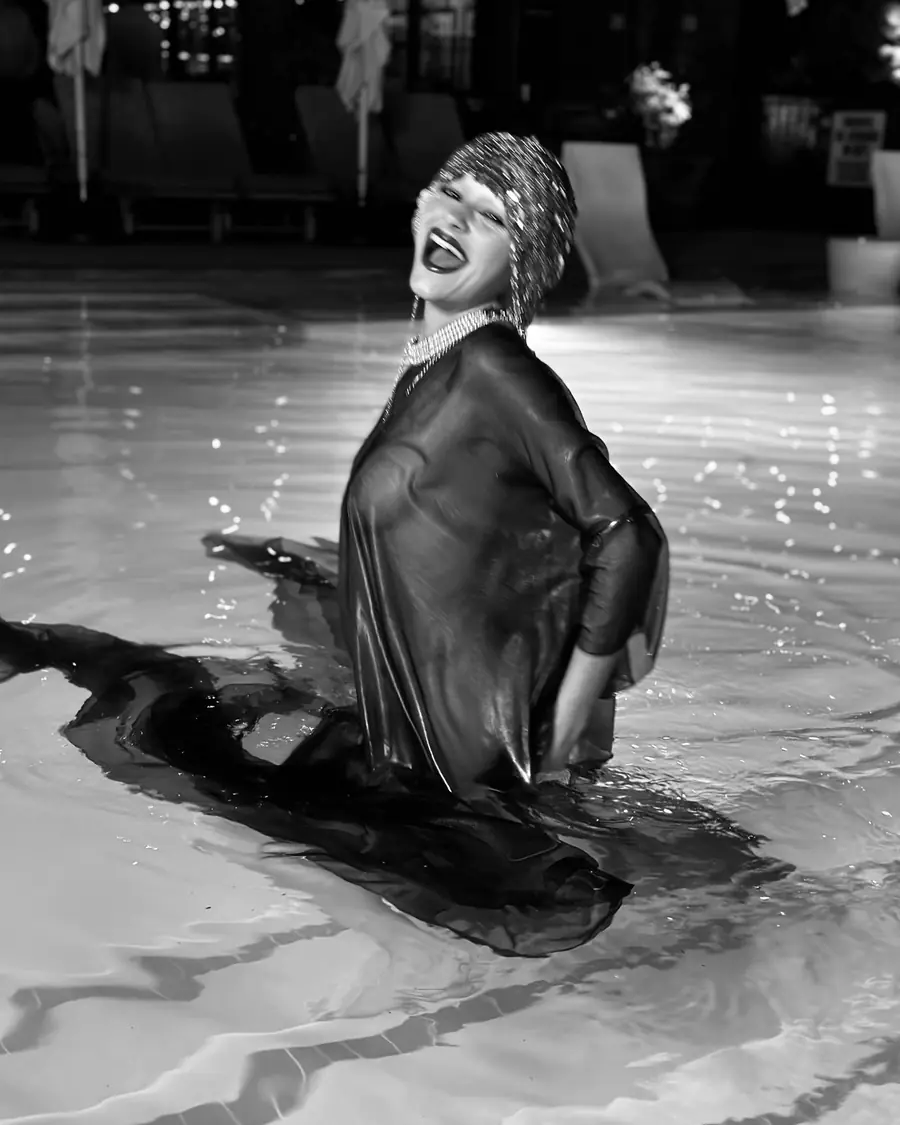
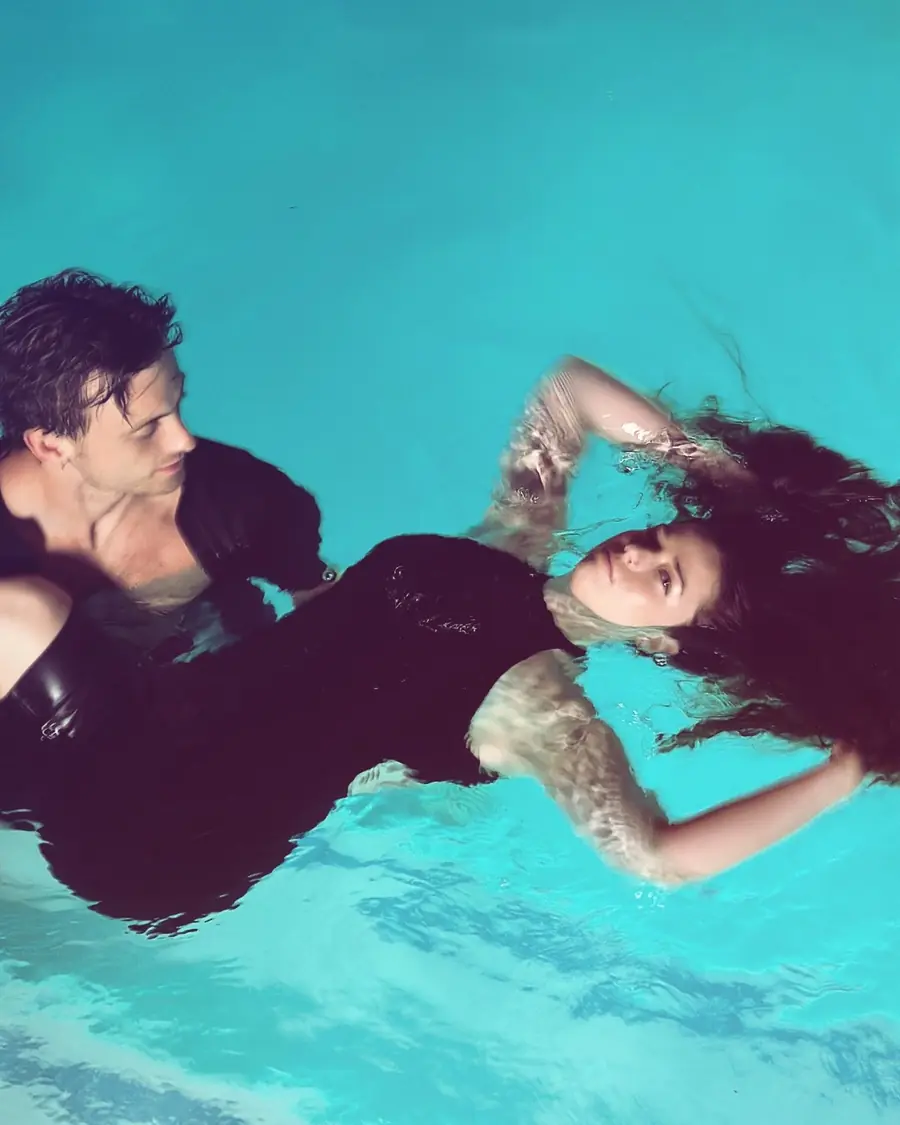
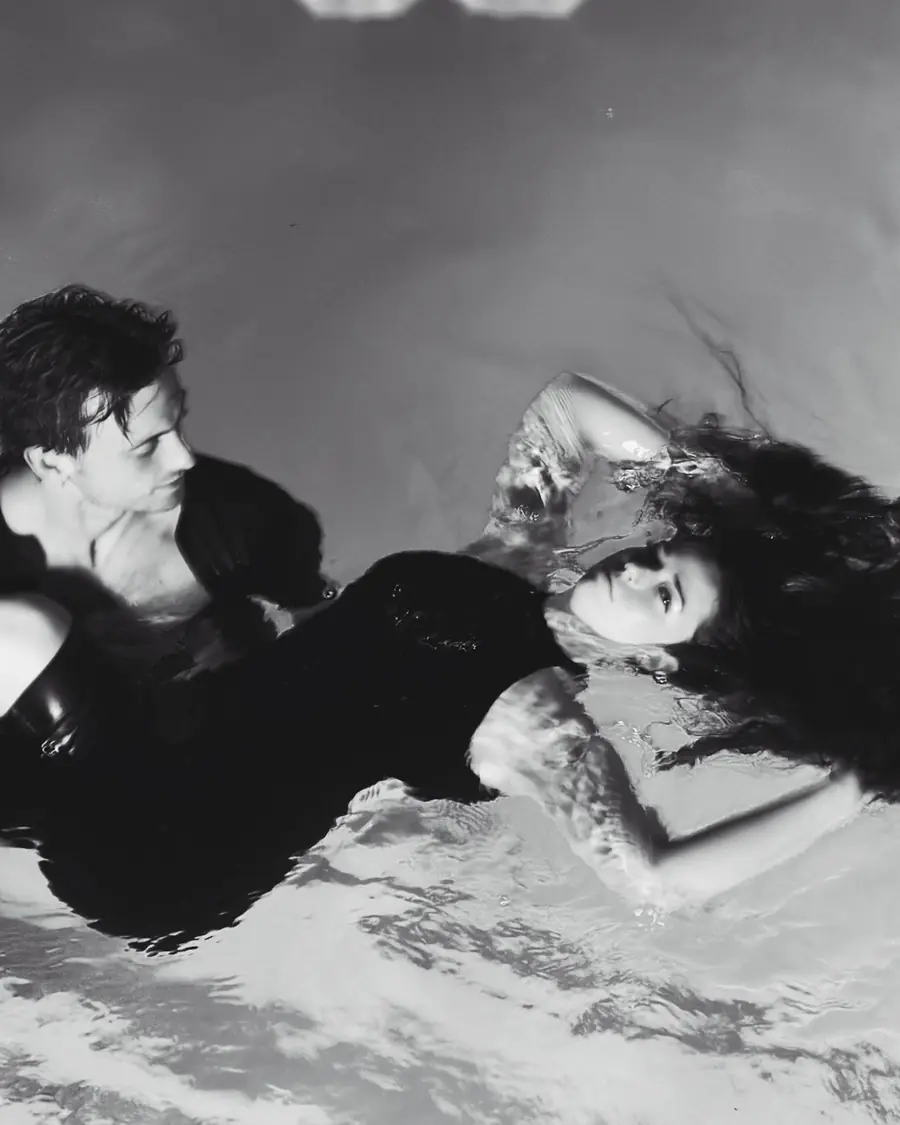
There is really something to this. It’s a kind of wakeful baptism — a term I want to explore. Baptism is the one ritual I never dealt with in my artistic practice. I dealt with the sacred text — the reading of the text, the chanting of the text. I dealt with the sacrament of Eucharist. I addressed all these things, and I’ve exhausted my desire to dive into those rituals and their efficacy, the power of them. Where I am very interested is being slain in the spirit — and where that occurs outside a religious setting. Because if one were to be slain in the spirit at the nightclub, what would happen? They would probably call the ambulance. At the mall, in the classroom — again, the paramedics. But if one were to be slain in the spirit during a performance, on stage, one would probably be commended for artistic expression. For transcendence. It’s possible. It’s conceivable.